A push-pull cable may look simple, but its performance depends on decisions made before production begins. Choosing a custom push-pull cable manufacturer like Orsheln Products starts with a clear picture of the application. Travel, load, routing, and environmental conditions all shape the final cable design.
Define the Required Motion
Start with the movement that the cable must create. Engineers need the total travel, expected push and pull loads, and operating frequency. They also need to know how the cable connects to the controlled component. These details influence the core size, cable series, and end fittings.
Map the Cable Route
Cable routing affects efficiency and service life.
- Measure the full path between the mounting points, rather than the straight-line distance.
- Mark bends, obstructions, and connection angles.
- Use larger bend radii for smoother movement and lower operating effort.
- Make sure your mounting is secure; loose brackets may create lost motion at the control.
- Provide this accurate routing information to engineers so they can select a practical cable length without unnecessary slack or restrictive bends.
Account for the Environment
Temperature, moisture, and contaminants can influence cable construction. Engineers may recommend different liners, seals, or fitting materials based on the equipment’s working conditions.
- High-temperature applications often require a specialized design.
- Exposure to water or debris could call for added sealing.
- Corrosive environments and frequent wash downs should also be part of the initial discussion so we can build protection into the assembly.
Plan for Prototypes and Testing
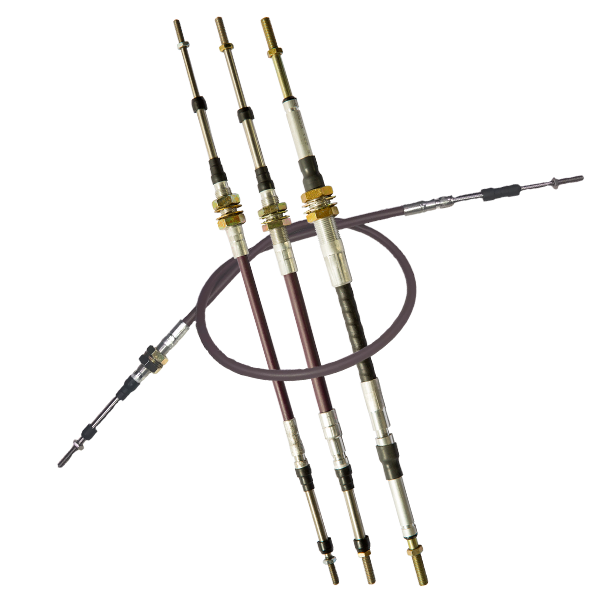
Custom development can include a prototype before full production. The prototype gives the customer and our engineering team an opportunity to review fit and function. Testing the prototype evaluates operating force, durability, and environmental performance. As a custom push-pull cable manufacturer, we then refine the design before production approval.
Frequently Asked Questions
These common questions clarify the application details engineers should define before moving from
What information should I provide for a custom cable?
Provide the required travel, push and pull loads, and the overall cable length. Include routing drawings or photos when available. Mounting details, end connections, and environmental conditions also support the engineering review, while production volume and timing expectations help define the development path.
Does every application require a custom cable?
No, standard cables may meet the application’s travel, load, and routing needs. We provide custom development when the equipment requires unique lengths, fittings, mounting details, or protective features. Engineering review can determine whether an existing series works or a purpose-built assembly is necessary.
How are custom cables tested?
Testing depends on the application and customer requirements. It may include cycle, load, and environmental testing. Engineers may also evaluate cable force, sealing, or fit before releasing the design for production. Our testing plan reflects the equipment’s duty cycle and operating conditions.
Build the Right Cable From the Start
Strong cable performance begins with complete application information. Share your drawings, operating requirements, and project goals with Orscheln’s engineers. Early collaboration keeps the design focused on fit, function, and long-term reliability, while giving the team a clear path from concept through production.