Control Cables Manufacturer
Mechanical Control Cables
Our Capabilities
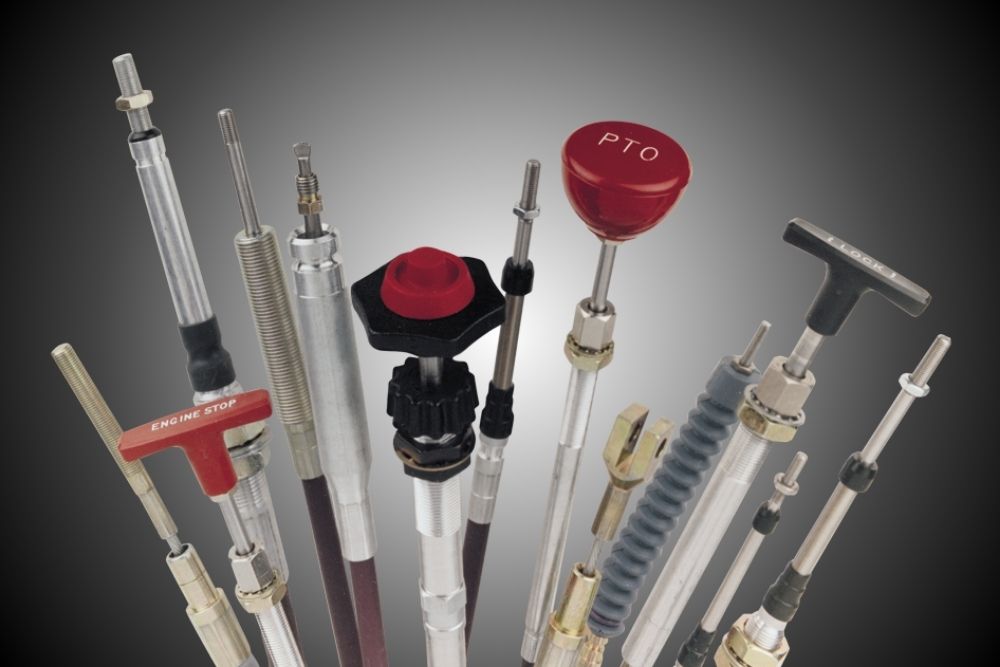
Orscheln Products specializes in the design, manufacturing, and customization of high-quality mechanical control cables.
We make custom control cables built to fit specific needs using high-quality, durable materials. We carefully manufacture and test each cable to make sure it works reliably and meets industry standards. Our cables are certified to quality standards, and we offer many types of cables with custom length options for different industries like aerospace and commercial vehicles.
Features and Advantages
Manufactured in the USA with care!
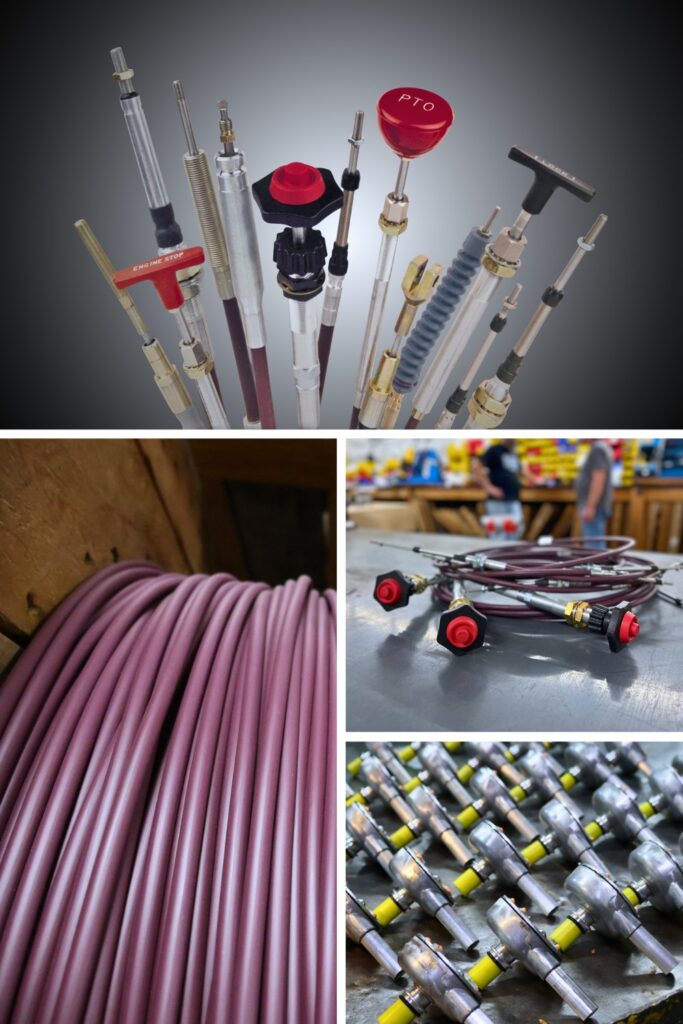
- The High-Performance Coated Core is available in 3, 4, and 6 Series cables and uses a special proprietary coating on a 1×7 wire rope, making it more flexible and able to handle higher push forces than regular armor core cables.
- The Solid Stainless Steel Cores are available in 3-Series Push-Pull, Universal, Positive Lock, and PTO cables.
- Tension cables use a 1×19 HP Coated Core, while 8-Series Push-Pull cables remain an armor core.
- We use polymer liners, available in standard HP cable construction at –65 to +225°F (–54 to +107°C) and HEFT 2 high temperature version at –65 to +300°F (–54 to +149°C).
- Factory lubrication provides optimum core performance without requiring further service.
- Several oil-tempered spring wires are wrapped in a long lay pattern to protect the liner and inner core, keep the cable flexible, and withstand extreme compressive and tensile forces. The long lay construction results in minimal deflections during cable operation, assuring precision control.
- Heavy-duty, thick-walled polymer jackets are extruded onto the stranded liner for maximum cable strength. Standard HP cable material is polymer molded to a dark maroon color. HEFT 2 jacket, used in high temperature applications, is a nylon-based material molded to a satin black color.
- Corrosion-resistant materials are used throughout to provide maximum life.
- Standard 3, 4, and 6-Series use Stainless Steel for rods and sleeves, while the hub can be either Stainless Steel or Aluminum.
- 8-Series rods are Stainless Steel, while sleeves and hubs can be Stainless Steel or Aluminum.
- Durable custom-compounded seals are used to prevent moisture and contaminants from entering the cable, while offering improved performance and efficiency.
- Tension cables use a durable, tear-resistant silicone boot, designed for high-cycle use and high temperature.
- An exclusive polymer rod and sleeve bearing is used to improve efficiency and the longevity of the cable’s life by preventing metal parts from rubbing together. This bearing also keeps the rod lined up accurately with the seal to prevent leaks and further extend the cable’s life.
-
Cable Solutions
Orscheln Products offers high-quality standard cables—Push-Pull, PTO, Vernier, Universal, Valve, Throttle, and Tension—engineered for reliable, versatile, and precise performance.
-
Application Engineering
Consider routing, connections, travel, length, and load when selecting control cables. Our engineers will guide you to the best solution.
-
Global Availability
We support global customers with high-volume and specialized cable needs, while our 100+ members of the F.A.S.T. network deliver quick, localized solutions for low-volume orders.
-
Define the Application
Our engineers review routing, connections, travel, cable length, operating load, and environmental conditions to understand how the cable must perform.
-
Develop the Design
Our control cables manufacturer team selects the cable construction, core, conduit, end fittings, seals, and mounting configuration that support the application’s functional requirements.
-
Review and Approve
Orscheln shares the proposed design with the customer for review. Feedback helps the team confirm fit, function, pricing, and production expectations before we begin prototyping.
-
Prototype and Test
The team builds a prototype and performs testing based on the product and application requirements. Testing typically evaluates function, durability, and environmental performance.
-
Manufacture With Control
After approval, Orscheln moves the design into production using controlled manufacturing processes and quality checks intended to support consistent, dependable performance.
Applied Markets


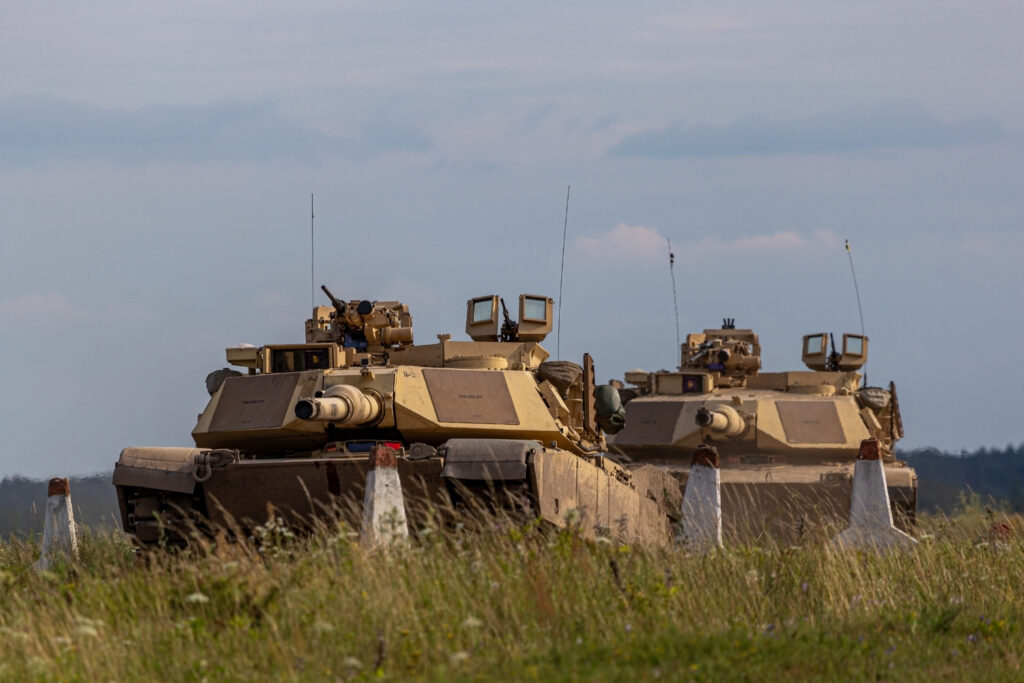
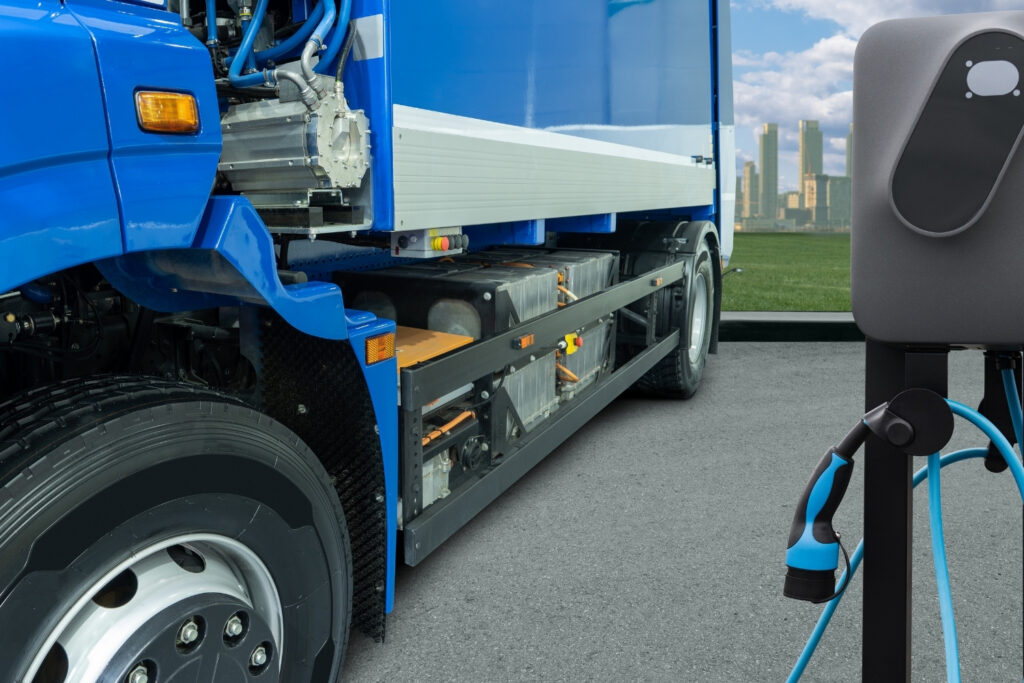

-
Celebrating 80 Years-Made In Missouri
 Celebrating 80 Years-Made In Missouri
Celebrating 80 Years-Made In Missouri
Celebrating 80 Years-Made In Missouri
Celebrating 80 Years-Made In Missouri
Celebrating 80 Years-Made In Missouri
Celebrating 80 Years-Made In Missouri
Celebrating 80 Years-Made In Missouri
Celebrating 80 Years-Made In Missouri
Celebrating 80 Years-Made In Missouri
Celebrating 80 Years-Made In Missouri
Celebrating 80 Years-Made In Missouri
Celebrating 80 Years-Made In Missouri
Celebrating 80 Years-Made In Missouri
Celebrating 80 Years-Made In Missouri
Celebrating 80 Years-Made In Missouri
Celebrating 80 Years-Made In Missouri
Celebrating 80 Years-Made In Missouri
Celebrating 80 Years-Made In Missouri
Celebrating 80 Years-Made In Missouri
Celebrating 80 Years-Made In Missouri
Celebrating 80 Years-Made In Missouri
Celebrating 80 Years-Made In Missouri
Celebrating 80 Years-Made In Missouri
Celebrating 80 Years-Made In Missouri
Celebrating 80 Years-Made In Missouri
Celebrating 80 Years-Made In Missouri
Celebrating 80 Years-Made In Missouri
Celebrating 80 Years-Made In Missouri
Celebrating 80 Years-Made In Missouri


Talk To Our Engineers
Let’s chat about how we can work together. Our engineers are here to help!
Frequently Asked Questions
A mechanical control cable is designed to convert hand or foot motion into precise mechanical motion. We design each of our cables with different mounting configurations that allows users to manipulate different functions within a piece of equipment.
Control cables are key parts of many vehicle control systems. You can commonly find control cables in transmission shift assemblies, throttle controls, and more. Control cables are extremely common, and are found in vehicles from virtually every industry. Orscheln has grown to become one of the world’s leading suppliers of control cables thanks to our emphasis on quality and service for every customer.
A push-pull cable is a mechanical control cable designed to transfer motion and force in both directions — pushing and pulling — between an operator control and a mechanical component.
In simple terms, it works like a flexible linkage. When you move a lever, knob, pedal, or handle, the cable’s inner core slides inside the outer conduit to move something at the other end.
For example, a push-pull cable can be used to:
-
- Open or close a valve
- Engage or disengage a PTO
- Control throttle movement
- Shift or actuate mechanical systems
- Operate equipment functions from a remote location
A basic push-pull cable has two main parts:
-
- Inner core: The moving wire or strand that carries the push and pull force.
- Outer conduit: The protective housing that guides and supports the core while allowing it to move.
Not exactly. “Control cable” describes the broader product category. Push-pull cables are one type of mechanical control cables. Pull-only cables also belong to this category, but they rely on an external return mechanism to move the controlled component in the opposite direction.
No. Mechanical control cables, such as push-pull cables or brake cables, cannot be repaired if any of the following signs are present: excessive play or stiffness at the control, broken components, chafing, bent parts, or loose hardware. You should generally replace a damaged mechanical control cable, rather than repair them. Excessive play, stiffness, or chafing can compromise performance. Broken components, bent parts, and loose hardware may also affect safe operation. Replacement helps restore the strength and reliability required by the vehicle or equipment.
For your safety, the cable must be replaced to ensure the strength, integrity, and reliability of the equipment or vehicle.
Orscheln works with clients across a variety of industries and applications, offering both catalog products and custom cable options. Additional applications include:
-
- Motorhomes
- Marine engines
- Farm machinery
- Motor graders
- Excavators
- Wheel loaders
- Tractors
- Bulldozers
- Cranes
- Forklifts
- Generators
As a control cables manufacturer, Orscheln supports standard and custom cable requirements across many industries. An engineer can review the application’s routing, travel, and load before recommending a cable. The team also considers connections and operating conditions.
For production and high-volume programs, you can source mechanical control cables directly from Orscheln Products. We design, test, and produce custom push–pull and pull–only cables tailored to OEM and Tier 1 requirements worldwide.
For smaller quantities or quick turnaround, Orscheln’s F.A.S.T.® distributor network—with more than 100 certified assemblers across 25+ countries—can provide cables built to your exact specifications, often assembled locally for faster delivery.
Whether you need standard service replacements, custom lengths, or complete control systems, mechanical control cables are available through Orscheln’s global operations in the U.S., Europe, India, and China, as well as through our trusted distributors who supply customers across on-highway, off-highway, aerospace, and defense markets.
Many factors will affect the lifespan of a cable, such as the frequency of use, the length of the cable, and the operating environment. On average, you can expect our cables to last for several years of regular service before you may need a replacement. We’ve proven time and again across the decades that we are one of the most reliable suppliers for control cables around the world. You’ll find some of the best performance and longevity when you shop our control cables.
Orscheln High-Performance control cables are organized into 4 basic size series according to their load-carrying capability:
-
- 3-Series: 120 lbs. pull and 25 to 80 lbs. push load depending upon travel.
- 4-Series: 230 lbs. pull and 45 to 150 lbs. push load depending upon travel.
- 6-Series: 400 lbs. pull and 60 to 250 lbs. push load depending upon travel.
- 8-Series: 1000 lbs. pull and 150 to 700 lbs. push load depending upon travel.
We’ve created a totally personalized process to collaborate with our customers and create the perfect cables for your needs. Whether you’re looking for our stock cables or a custom-designed product, Orscheln is ready to be your cable supplier.
You’ll start by working with our sales team to determine the exact needs for your cables. Together, we’ll identify the cable’s routing, connection points, length requirements, and load for your purposes. Once we have this information, we’ll make sure that we can manufacture your cables to our quality standard, then we’ll start the production process.
Once we’ve built your cables, we’ll subject them to an extensive end-of-line testing process to ensure they meet Orscheln’s quality standards. We subject our cables to a host of tests to verify the cable’s resistance to temperature, thermal shock, vibration, corrosion, sand and dust, and more. We’ll also rate the cable for its maximum load. Once we’ve confirmed that your cable is up to our standards, we’ll be ready to send you your order.
Start with the application details. Identify the required travel, load, and cable length. Routing and connection points will also affect the design. Environmental conditions often determine which materials or protective components the cable needs. Orscheln engineers can use this information to recommend the appropriate cable family, fittings, and mounting configuration.
Choosing the right cable can be challenging, especially if you’re working on a new project or the existing cable is difficult to identify. We offer a comprehensive catalog and our experts are available to assist you in selecting the appropriate cable and fittings for your application. Please reach out to us, and we’ll help you find the best solution for your needs.
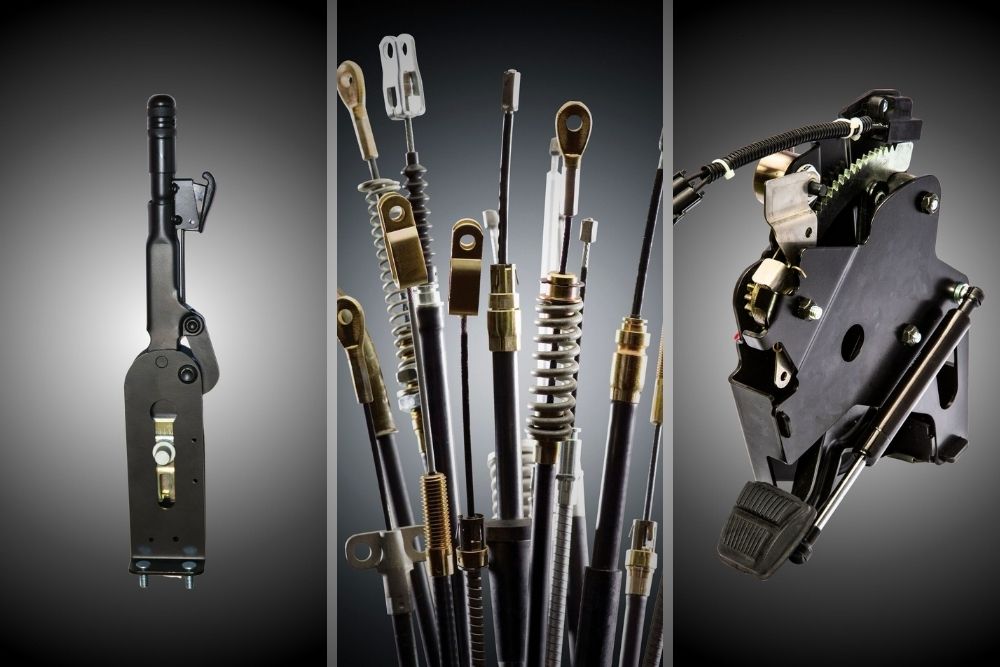
Orscheln offers several cable types:
-
- Push-pull cables
- PTO cables
- Vernier controls
- Universal cables
- Valve control cables
- Throttle cables
- Tension cables
A good control cable manufacturer like Orscheln can help narrow these options based on the required motion, force, installation space, and service conditions.
Push-pull control cables are one of the most common varieties of cable we make. These cables simply transmit motion using the compression and tension of the cable itself. When the cable moves in one direction (after you pull it, for instance), it pulls the opposite end of the cable in the opposite direction. When you push back on the other end of the cable, it puts the cable in compression and moves the other end back to the original position.
We also design “pull-only” cables that only work in tension. They maintain a predetermined load on a cable and return to their initial position after use. Our park brake cables are an example of pull-only cables.
We also create special push-pull cables that use a ball bearing to transmit motion across the cable. Mainly used for aerospace applications, these ball bearing cables can transmit motion very smoothly and with much less force than traditional mechanical cables. However, the cables are much less flexible and have a much lower capacity for bending than traditional cables.
You can order any of our cables with a variety of different mounting brackets, end fittings, and handles. Reach out to our team if you need cables for your next project and we’ll collaborate to develop the best cables for your needs.
Orscheln’s control cables are proudly made in the USA at our manufacturing facility in Moberly, Missouri. Our customers benefit from U.S.-based engineering support, responsive customer service, in-house product testing, and reliable manufacturing expertise. From product design and development to testing, production, and ongoing support, Orscheln works closely with customers to provide dependable solutions for their specific applications.
As a control cables manufacturer, Orscheln combines application engineering, custom design, manufacturing, and testing within one product-development process. The team can support standard cable selection as well as complex OEM requirements. Working with an experienced control cables manufacturer also gives customers access to global operations and the F.A.S.T. distributor network.



Industry Associations